Why scheduling posts isn't a social media strategy
Scheduling tools are genuinely useful, but they are not a strategy on their own. Here is what to automate, what to keep human, and how to build a content calendar that does not fall apart after two weeks.
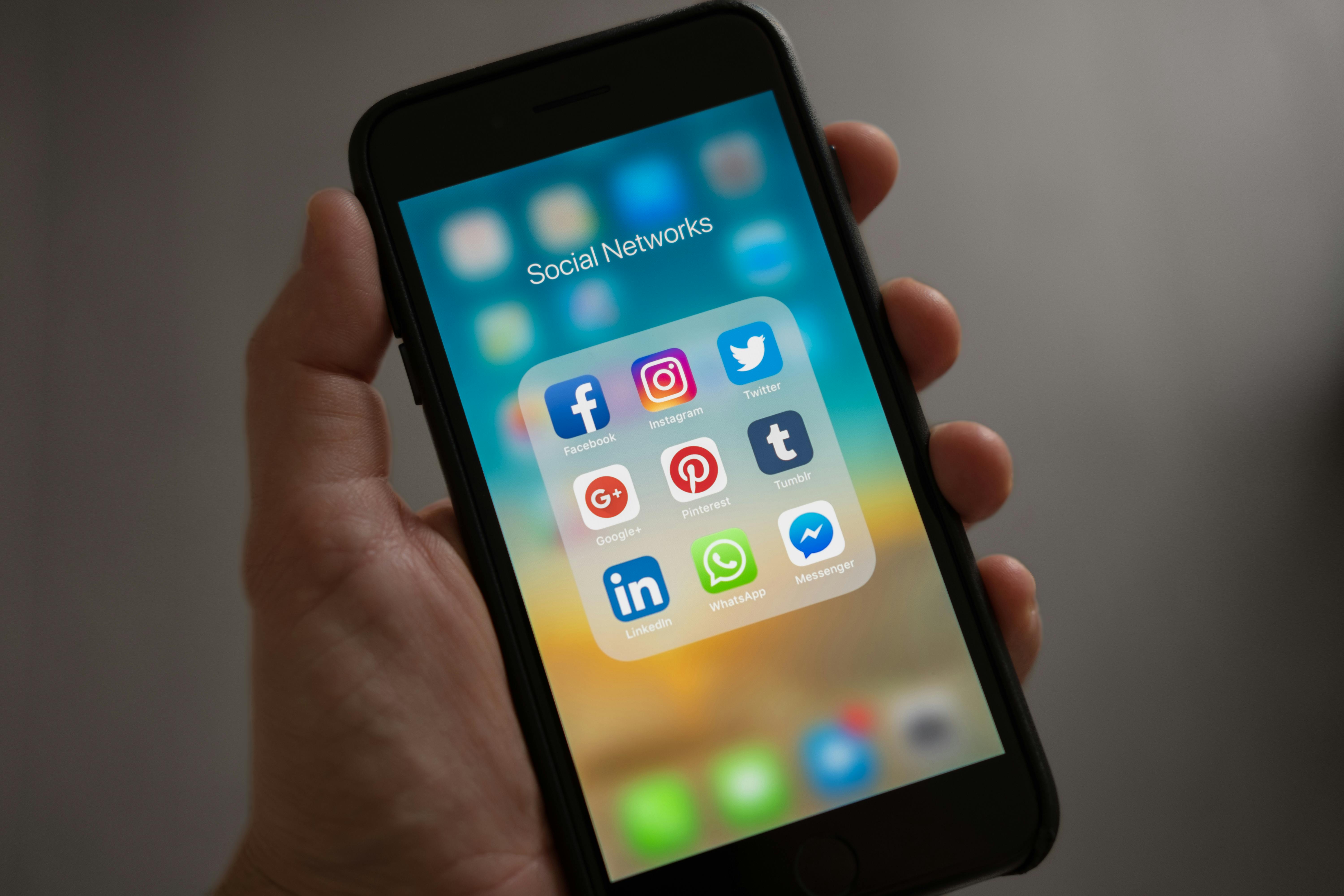
Having an active social media presence across multiple platforms is basically a full-time job. But for most businesses, social media is just one of ten things on the to-do list. Scheduling tools can help you stay consistent without spending your whole day on it.
The problem is when scheduling becomes the entire strategy.
What is worth automating
Some things are perfectly fine to schedule in advance:
- Regular posts
- Content shared across multiple platforms at once
- Curated industry articles or news
- Performance reports
What you should not automate:
- Responding to complaints
- Anything during a crisis or sensitive situation
- Real conversations with followers
- Jumping on trending topics, since timing matters and a pre-written post will often miss the moment
The main scheduling tools
Buffer: Simple, clean, and affordable. Great for small businesses that just want to get posts out reliably.
Hootsuite: More features including team workflows and deeper analytics. Better suited to larger teams.
Later: Built around visual content, particularly Instagram. Useful if your grid aesthetic matters to you.
Sprout Social: The premium option. Has CRM features built in, which helps if social media is also a customer service channel for you.
Building a content calendar
The most effective approach is batching. Instead of thinking about what to post every morning, set aside one day a month to plan and create everything at once.
A rough content mix that works for most businesses:
- Around 40% content that genuinely helps your audience
- Around 30% things you have found and curated from elsewhere
- Around 20% promotion of your own work
- Around 10% personal or behind-the-scenes content
Posting at the right time matters too, though it varies by audience. As a rough guide, LinkedIn works well on weekday mornings, Instagram around lunchtime, Facebook mid to late afternoon.
Keep the human element
Use automation to make space for real engagement, not to replace it. Set up alerts so you know when someone mentions you. Have saved draft replies for common questions, but always personalise them before sending.
Your audience knows when they are talking to an automated response. The goal is efficiency, not invisibility.
Measuring what matters
The metrics worth tracking depend on what you are trying to achieve:
- Awareness: reach, impressions, follower growth
- Engagement: likes, comments, shares
- Traffic: click-throughs to your website
- Conversions: leads or sales that came from social
Tag your links with UTM parameters so you can trace which posts actually drive results. That tells you what is worth doing more of.